Trump administration extends Jones Act waivers amid continued supply constraints
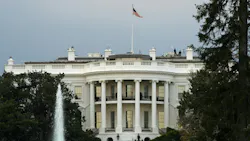
The Trump administration extended the Jones Act shipping waiver for an additional 90 days on Aug. 10, allowing foreign-flagged vessels to continue transporting oil, fuels, and other critical commodities between US ports as the war in Iran continues to constrain global oil supplies.
The extension takes effect on Aug. 17 and will run through mid-November.
Shifting away from its previous policy of granting blanket exemptions, the administration is narrowing the scope of the order exclusively to energy and agricultural projects. It also introduces stricter oversight, requiring the Pentagon to consult with the US Maritime Administration before a waiver is granted.
Stay updated on oil price volatility, shipping disruptions, LNG market analysis, and production output at OGJ's Iran war content hub.
The administration initially launched the waiver program Mar. 18 as a 60-day emergency measure to ease domestic fuel prices after the conflict with Iran halted shipping flows through the Strait of Hormuz, driving up global oil prices. The administration previously extended the waiver in May.
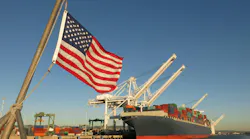 An American flag waves at a US port, where a cargo ship is docked beneath a crane on a blue sky day.
White House spokeswoman Taylor Rogers said the 90-day extension ensures the US military and key industries maintain uninterrupted access to critical resources.
"Data shows the waiver has driven a significant increase in domestic deliveries of essential products such as gasoline, diesel, and jet fuel," Rogers said in a post on X.
The administration has granted 208 exemptions to the Jones Act over a 4.5-month period ending Aug. 3.
The American Petroleum Institute (API) welcomed the move.
The extension will “ensure critical fuels reach the regions that need them most” and “help protect consumers from unnecessary price volatility,” said Kristin Whitman, API’s senior vice-president of government relations.
The initial waivers drew objections from the US maritime industry, which fears continued exemptions could imperil new US shipbuilding.
The Jones Act requires cargo moving between US ports to be carried on vessels that are built in the US, owned by US companies, and crewed by American mariners. Supporters say it fortifies national security by sustaining a domestic fleet and mariner pool available in wartime.
About the Author
Cathy Landry
Washington Correspondent
Cathy Landry has worked over 20 years as a journalist, including 17 years as an energy reporter with Platts News Service (now S&P Global) in Washington and London.
She has served as a wire-service reporter, general news and sports reporter for local newspapers and a feature writer for association and company publications.
Cathy has deep public policy experience, having worked 15 years in Washington energy circles.
She earned a master’s degree in government from The Johns Hopkins University and studied newspaper journalism and psychology at Syracuse University.