US EPA plans further rollback of oil, gas methane rules
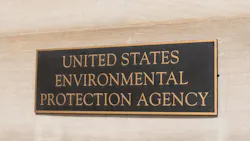
The Trump administration plans to further ease federal methane requirements for oil and natural gas producers, including eliminating a program targeting large methane releases and revisiting rules governing low-producing wells and gas flaring.
The US Environmental Protection Agency (EPA) said it would propose the changes within days, marking a second round of revisions to the Biden administration’s 2024 oil and gas regulations, known as Koob and OOOOc. EPA estimates the changes would save the industry $45 billion, but it has not released the proposed rule or the analysis supporting that estimate.
EPA Administrator Lee Zeldin previewed the proposal Oct. 7 at the New Mexico Oil and Gas Association’s annual meeting in Santa Fe. He said the agency was responding to producers’ concerns that the 2024 regulations were costly and unworkable. EPA outlined the planned changes in a subsequent news release.
 Us Epa
The agency intends to eliminate the super-emitter program, which allows EPA-certified third parties to use satellites, aircraft, and other remote-sensing technologies to identify potentially large methane releases. Operators notified by EPA must investigate reported events and take corrective action.
EPA said it has legal concerns about the program and does not believe it is necessary to meet Clean Air Act requirements.
The agency also plans to ease requirements for marginal wells, proposing two alternatives for establishing separate categories of wellsites with different regulatory requirements.
Smaller producers have opposed the requirements as too costly. EPA itself cited research indicating that marginal wells accounted for about 7% of US oil and gas output in 2021 but were responsible for 60% of methane emissions associated with gas production and 40% of those associated with oil production.
The proposal also would revisit restrictions on flaring associated natural gas. The 2024 rules established requirements to phase out routine flaring at new sources, subject to specified provisions and exceptions. EPA said it would reconsider its approach to associated gas to give producers more flexibility.
Other proposed changes would affect covers and closed-vent systems and provide operators with additional flexibility in requirements for control devices, including flame-monitoring data and visible emissions testing.
In April, EPA finalized a narrower set of revisions to the 2024 rules, extending the time allowed for temporary flaring in certain circumstances and changing monitoring and testing requirements. The agency estimated those changes would save the industry $2.5 billion over the period from 2024 to 2038.
Separately, Congress and the Trump administration eliminated the Biden-era methane waste emissions charge, which would have imposed fees on certain oil and gas infrastructure with methane emissions exceeding specified thresholds.
Environmental groups have criticized the administration’s planned rollback, and the proposal could face legal challenges.
EPA has not yet released the proposed regulatory text, detailed emissions estimates, or supporting cost analysis. Once formally published, the proposal would be subject to public comment before the agency could finalize changes.
About the Author
Cathy Landry
Washington Correspondent
Cathy Landry has worked over 20 years as a journalist, including 17 years as an energy reporter with Platts News Service (now S&P Global) in Washington and London.
She has served as a wire-service reporter, general news and sports reporter for local newspapers and a feature writer for association and company publications.
Cathy has deep public policy experience, having worked 15 years in Washington energy circles.
She earned a master’s degree in government from The Johns Hopkins University and studied newspaper journalism and psychology at Syracuse University.