Insights: Permian produced water, data centers can form symbiotic relationship




Listen time: 00:26:50
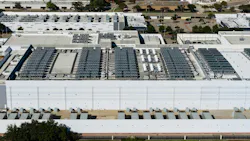
The rapid expansion of AI data centers in West Texas is creating a major water demand challenge, prompting industry interest in treating and reusing the Permian basin’s vast volumes of produced water as a potential cooling-water source.
In this Insights episode of the Oil & Gas Journal ReEnterprised podcast, Alex Procyk, upstream editor, reviews the potential.
Produced water is extremely saline—often far saltier than seawater—making conventional desalination expensive, but emerging technologies, including systems that use data-center waste heat to drive treatment processes, could improve economics while generating valuable byproducts such as lithium and other minerals.
Large-scale adoption will depend on proving treatment costs at commercial scale, establishing clear permitting pathways, developing new business agreements between energy and data center operators, and effectively managing disposal and seismicity risks associated with concentrated waste streams.
References
Insights: Permian produced water needs someplace new to go - a discussion with Laura Capper (Part I), OGJ
Insights: Permian produced water needs someplace new to go - a discussion with Laura Capper (Part II), OGJ
Insights: Produced water in the Permian basin (Part I), OGJ
Insights: Produced water in the Permian basin (Part II), OGJ
Insights: What’s next for Permian basin electrification?, OGJ
The Permian’s Next Boom Has a Water Problem, Produced Water Society
Ranchers are watching the data center boom with growing concern, AGDaily
About the Author
 Alex Procyk
Alex Procyk
Upstream Editor
Alex Procyk is Upstream Editor at Oil & Gas Journal. He has also served as a principal technical professional at Halliburton and as a completion engineer at ConocoPhillips. He holds a BS in chemistry (1987) from Kent State University and a PhD in chemistry (1992) from Carnegie Mellon University. He is a member of the Society of Petroleum Engineers (SPE).