S&P Global: Hormuz vessel transits fall amid heightened security risks
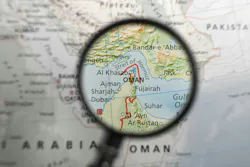
Vessel traffic through the Strait of Hormuz remained subdued July 10-12 as heightened regional security risks continued to weigh on movements through the strategic waterway, according to S&P Global MINT and S&P Global Commodities at Sea data.
A total of 73 vessels transited the strait during the 3-day period, averaging fewer than 25 crossings/day. Transits fell to 11 on July 12, the lowest since June 14, after Iran declared the strait closed amid what the Persian Gulf Strait Authority described as “illegal movements” of US military forces in the region.
No inbound crossings were recorded July 12, the first such occurrence since June 12. Six of the day's 11 transits were assessed as compliant vessels. Total crossings were 32 on July 10 and 30 on July 11.
The Joint Maritime Information Center (JMIC) said July 12 that the regional threat level remained severe. Despite Iran's closure declaration, JMIC said the southern route remained available and had been expanded for two-way vessel traffic.
Energy carriers—including oil, chemical, LPG, and LNG tankers—accounted for about 48% of transits July 10-12. About two-thirds of energy-carrier crossings involved compliant vessels, although only 10 compliant energy carriers entered the Persian Gulf, mostly without visible automatic identification system (AIS) signals.
Inbound tanker capacity also softened. An average 6.5 million b/d of new oil and LPG tanker capacity entered the Gulf through Hormuz July 1-12, with VLCCs and Suezmaxes accounting for nearly 80%. Average inbound capacity fell to 6 million b/d July 10-12 from 8.5 million b/d in the first week of July.
All compliant outbound energy carriers transiting Hormuz during the 3-day period did so without visible AIS signals, including ADNOC-operated LNG carrier AL HAMRA and several VLCC and product tankers.
Iran-linked and US-sanctioned vessels accounted for nearly 60% of all crossings during the period.