Petrobras begins REGAP capacity expansion, targets 2027 startup
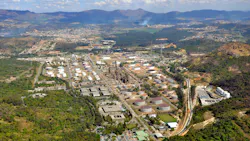
Brazil’s Petróleo Brasileiro SA (Petrobras) has resumed its investment program at the 166,000-b/d Gabriel Passos (REGAP) refinery in Betim, Minas Gerais, outlining plans to expand capacity, advance low-carbon fuel production, and strengthen regional supply chains.
Confirmed in late March during a visit to the refinery by Brazilian President Luiz Inácio Lula da Silva, Petrobras said it will invest 3.8 billion reals ($728 million) at REGAP during its 2026–30 business plan period, with total investments potentially reaching $9 billion reals ($1.7 billion) over the next decade.
The program is expected to generate about 8,000 jobs in the near term and up to 36,000 jobs over 10 years.
Capacity expansion, operational role
Petrobras said construction is now under way on a project at REGAP—which currently accounts for about 9% of the company’s total refined products output—to increase the refinery’s crude processing capacity by 25,000 b/d.
With the initial project scheduled for completion and startup in 2027, the operator confirmed it is evaluating an additional expansion of 59,000 b/d that—if approved—would raise total capacity at the refinery by about 50% from current levels.
The refinery was previously included in Petrobras’s divestment portfolio but has since been retained and repositioned as a core asset.
Low-carbon fuels, decarbonization
Alongside expansion to conventional crude processing at the site, Petrobras confirmed it is also advancing production of sustainable fuels at REGAP, including implementation of sustainable aviation fuel (SAF) to meet requirements under Brazil’s “Fuel of the Future” legislation and international aviation standards.
The refinery also has started producing Diesel R, a diesel blend containing renewable content, following completion of operational adjustments, the operator said.
In parallel, Petrobras commissioned a 13.3-Mw solar photovoltaic plant at REGAP, consisting of about 20,000 panels. The company said it expects the new plant to offset roughly 8,000 tonnes/year of carbon dioxide (CO2) emissions by reducing reliance on fossil-based power.
The project was funded through Petrobras’s decarbonization fund, aligning with earlier initiatives to deploy photovoltaic generation across refining assets, including REGAP, as part of the operator’s broader emissions reduction strategy.
Biofuels integration
Petrobras is also expanding biofuels activity in Minas Gerais through its subsidiary, Petrobras Biocombustível SA (PBio), which operates a biodiesel plant in Montes Claros.
The company said it plans to invest 81 million reals ($15.5 million) in Montes Claros and is already increasing the plant’s use of waste-based feedstocks. In 2025, the PBio plant processed 5.86 tonnes of used cooking oil sourced from local waste collectors.
Beginning in 2026, Petrobras said it expects to scale collection through a partnership with the Cataunidos cooperative network, targeting about 20 tonnes/month of waste oil. The initiative is anticipated to generate about 1.5 million reals/year ($287,248) in income for participants.
Strategic positioning
Petrobras said renewed investment in REGAP reflects a shift toward strengthening refining capacity alongside energy transition initiatives.
The combination of capacity growth, renewable fuel production, and emissions reduction projects positions the refinery as a key asset in the company’s downstream portfolio and in Brazil’s evolving fuels market, according to the operator.
About the Author
 Robert Brelsford
Robert Brelsford
Downstream Editor
Robert Brelsford joined Oil & Gas Journal in October 2013 as downstream technology editor after 8 years as a crude oil price and news reporter on spot crude transactions at the US Gulf Coast, West Coast, Canadian, and Latin American markets. He holds a BA (2000) in English from Rice University and an MS (2003) in education and social policy from Northwestern University.