RFF suggests putting deepwater risks in context

Resources for the Future, an independent economic research group, suggests that neither government or the oil and gas industry yet has adjusted to the high-risk context of deepwater operations. RAF recommends setting liability caps for individual wells at a level reflecting damages from worst-case spill scenarios.Lynn Scarlett, RFF visiting scholar and former deputy secretary of the interior, made this comment during a Feb. 15 luncheon symposium hosted by ConocoPhillips at its Houston headquarters.“One might argue it is rocket science,” Scarlett said of regulating drilling and production activities in the deepwater Gulf of Mexico. “No project is business as usual.”RFF recommends that third-party insurance should be researched as a possible way to strengthen external monitoring of deepwater oil and gas operations. If insurance pools are used to assist smaller firms, fees should be related to risk, Scarlett said.She said both government and the private sector lacked capacity and practices for performing adequate risk assessments.‘You just don’t know what you don’t know,” Scarlett said, adding that risk assessment capacity and practices will be a key issue for both industry and regulators going forward after the April 2010 Macondo well blowout and resulting massive oil spill in the gulf.
March 2, 2011
Resources for the Future, an independent economic research group, suggests that neither government or the oil and gas industry yet has adjusted to the high-risk context of deepwater operations. RAF recommends setting liability caps for individual wells at a level reflecting damages from worst-case spill scenarios.Lynn Scarlett, RFF visiting scholar and former deputy secretary of the interior, made this comment during a Feb. 15 luncheon symposium hosted by ConocoPhillips at its Houston headquarters.“One might argue it is rocket science,” Scarlett said of regulating drilling and production activities in the deepwater Gulf of Mexico. “No project is business as usual.”RFF recommends that third-party insurance should be researched as a possible way to strengthen external monitoring of deepwater oil and gas operations. If insurance pools are used to assist smaller firms, fees should be related to risk, Scarlett said.She said both government and the private sector lacked capacity and practices for performing adequate risk assessments.‘You just don’t know what you don’t know,” Scarlett said, adding that risk assessment capacity and practices will be a key issue for both industry and regulators going forward after the April 2010 Macondo well blowout and resulting massive oil spill in the gulf.

About the Author

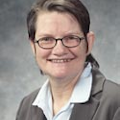
Paula Dittrick

Senior Staff Writer

Paula Dittrick has covered oil and gas from Houston for more than 20 years. Starting in May 2007, she developed a health, safety, and environment beat for Oil & Gas Journal. Dittrick is familiar with the industry’s financial aspects. She also monitors issues associated with carbon sequestration and renewable energy.

Dittrick joined OGJ in February 2001. Previously, she worked for Dow Jones and United Press International. She began writing about oil and gas as UPI’s West Texas bureau chief during the 1980s. She earned a Bachelor’s of Science degree in journalism from the University of Nebraska in 1974.

Sign up for our eNewsletters
Get the latest news and updates