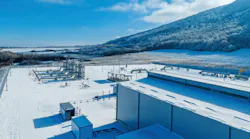
Whether you’re responding to service failures, compliance pressures, or business expansion, changing security providers is a high-stakes move. GardaWorld Security’s white paper...
With capital project overruns nearing $1.2B and delays stretching up to two years, this brief shows how a data-centric, lifecycle-driven approach can unify execution, eliminate...
With capital projects facing up to 79% cost overruns and persistent delays, this brief reveals how a modern, integrated approach can replace fragmented execution with data-driven...
An integrated, data-driven approach to energy and utilities program execution helps organizations cut costs, reduce risk, and gain full visibility—turning complex capital projects...
The Optimization Treadmill: every “correct” Postgres fix (indexes, partitions, replicas) buys less time while limits stay fixed. Learn when optimization stops working—and when...
Most IIoT teams don’t see PostgreSQL’s limits until production failures hit. Our white paper reveals where it breaks with sensor data and what to do before a split architecture...
Removable media remains essential for OT operations, enabling patching, firmware updates, critical data transfers, and third-party deliverables, yet poses great risks to critical...
Cyberattacks on energy and utility infrastructure have led to blackouts, operational disruptions, and serious health hazards, and the threat is only growing as digitization expands...
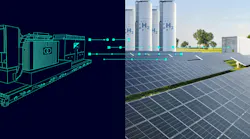
Is your hydrogen equipment design ready for net-zero demands? Discover how integrated digital twin solutions can streamline development, boost compliance, and accelerate innovation...